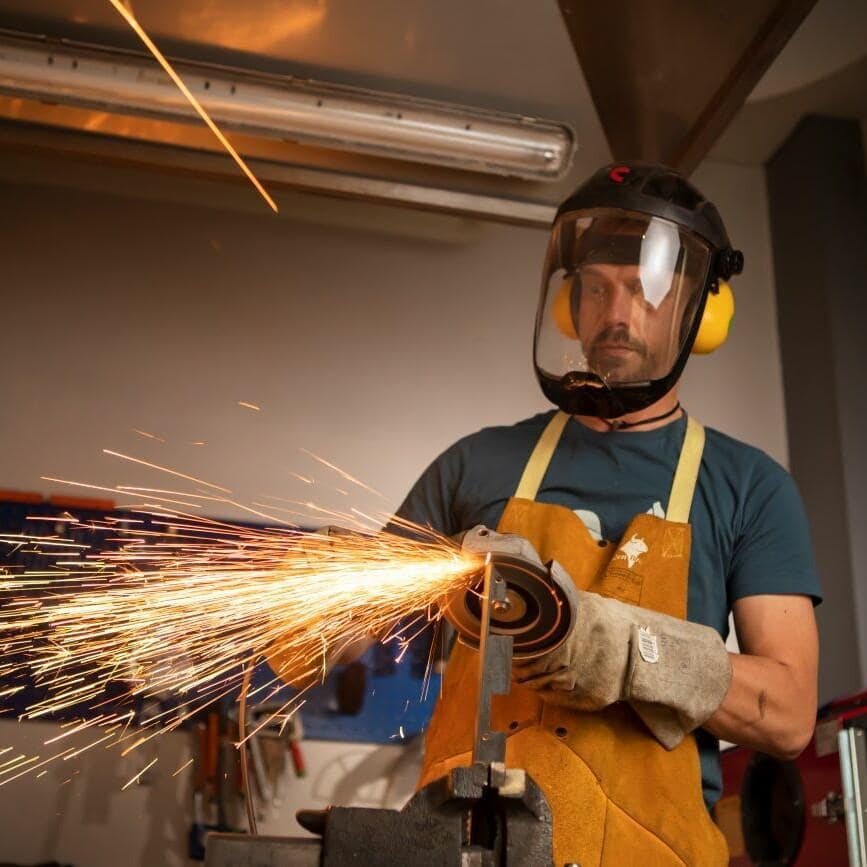
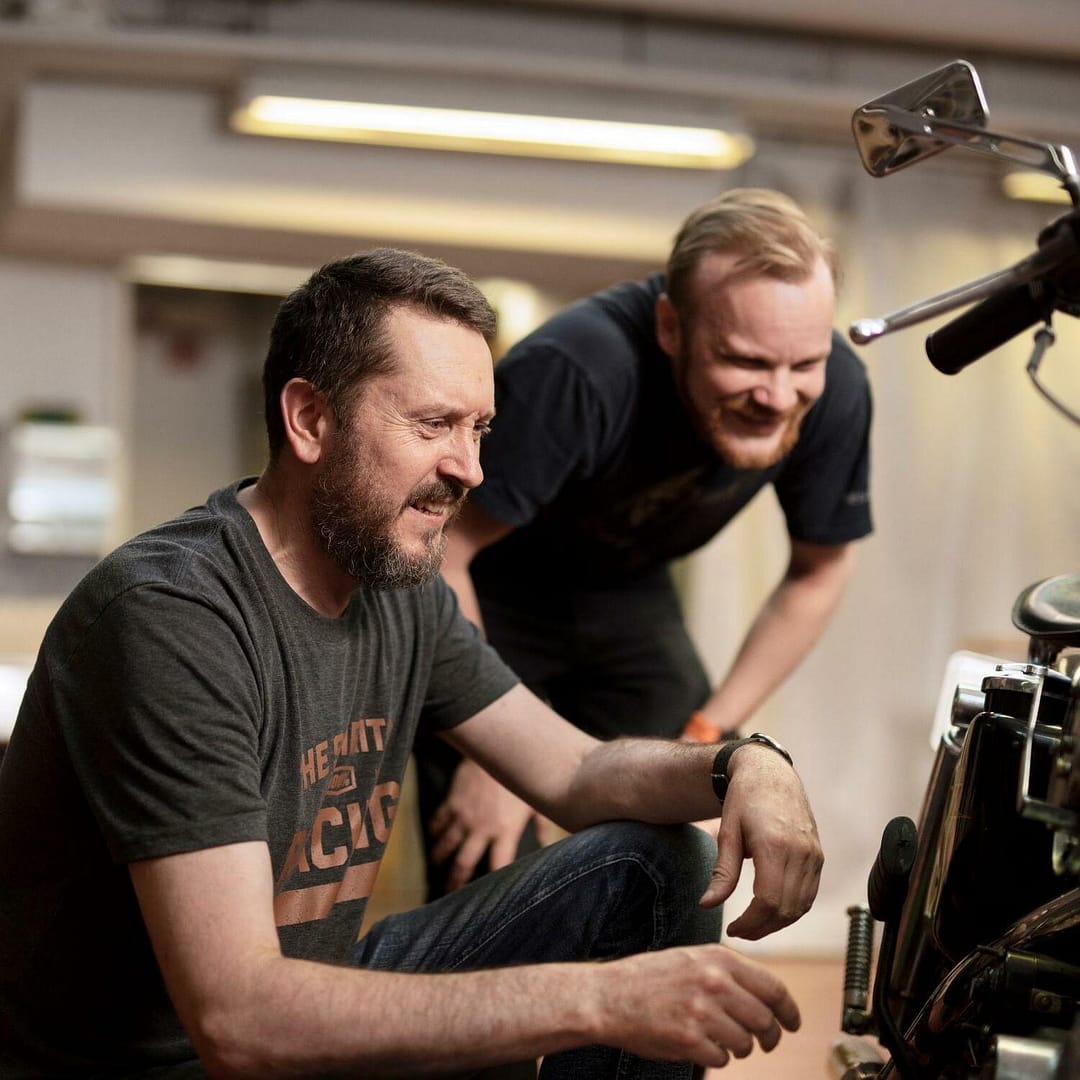
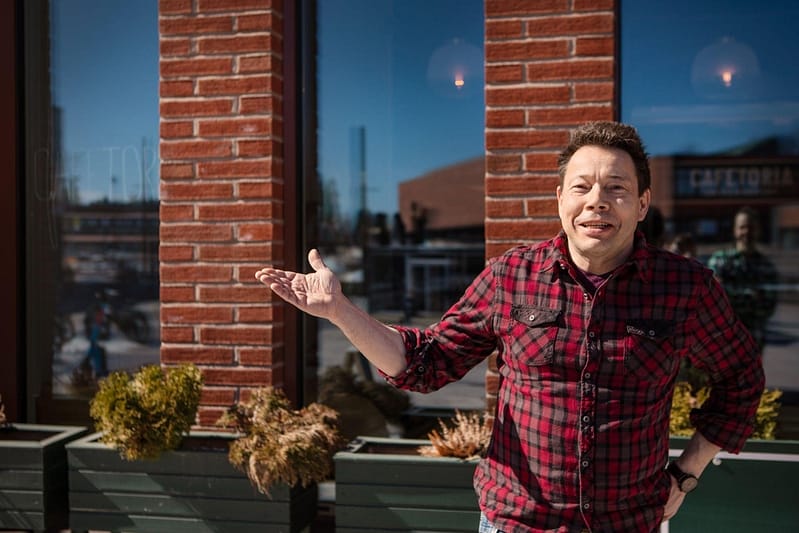
Agile development is one of LINK’s core principles. Our 200-square-meter LINK ProtoHUB in Espoo enables us to build prototypes, mockups, and proofs of concept (POCs). The workshop has been used to build several full-scale cabins and even to assemble a motorcycle and an aircraft. Hands-on testing is part of our everyday work. We use both digital and physical prototypes in design and to verify that solutions work as intended.
We gathered insights from our designers on how prototypes are used and built in design projects that aim to create new products or solve implementation and technology challenges.

How Do Designers View Prototyping and Its Benefits for Better Results and Solutions?
“Prototypes are built for many different purposes. Functional prototypes demonstrate mechanical or other functions, while visual prototypes show what the finished product could look like. A prototype may demonstrate a specific product function or the performance of the solution as a whole. Ultimately, prototypes bring designers’ ideas into physical form and reveal whether there is a gap between the design and reality.”
“Prototypes are particularly important in the early stages of the development process. A working prototype can be used to demonstrate whether a physical phenomenon can be applied in a technology project.”
“After the first rough prototype, the next step is to package the product in a more refined form—only what is needed, nothing more. Insights and new requirements should be identified through earlier prototypes and incorporated into the next generation.”
“Defining a technology often begins with studying the underlying phenomenon. Once the desired phenomenon is understood, proof-of-concept design begins to determine how it can be applied in a product. A simplified prototype is then built to demonstrate that the product can deliver the required functionality. Once the functionality has been verified to a sufficient level, planning how to turn the solution into a market-ready product can begin.”
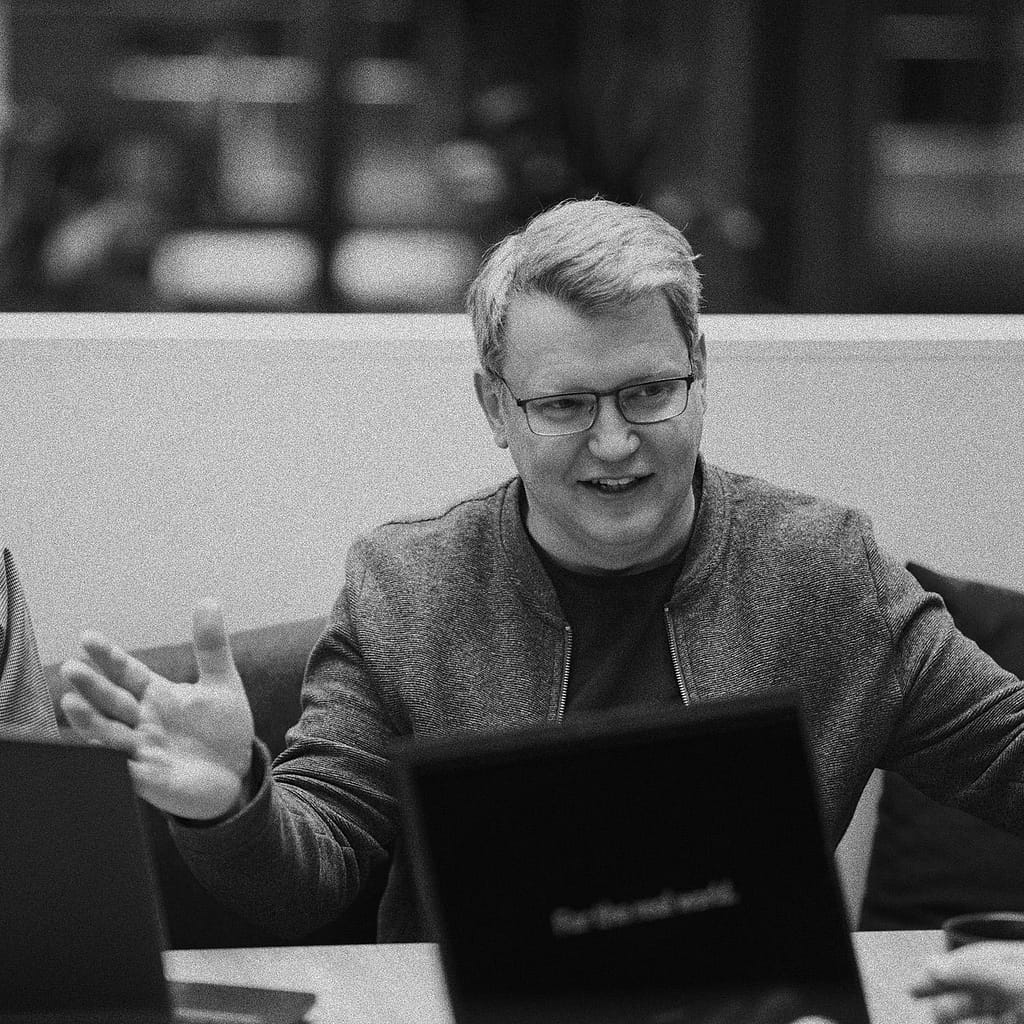
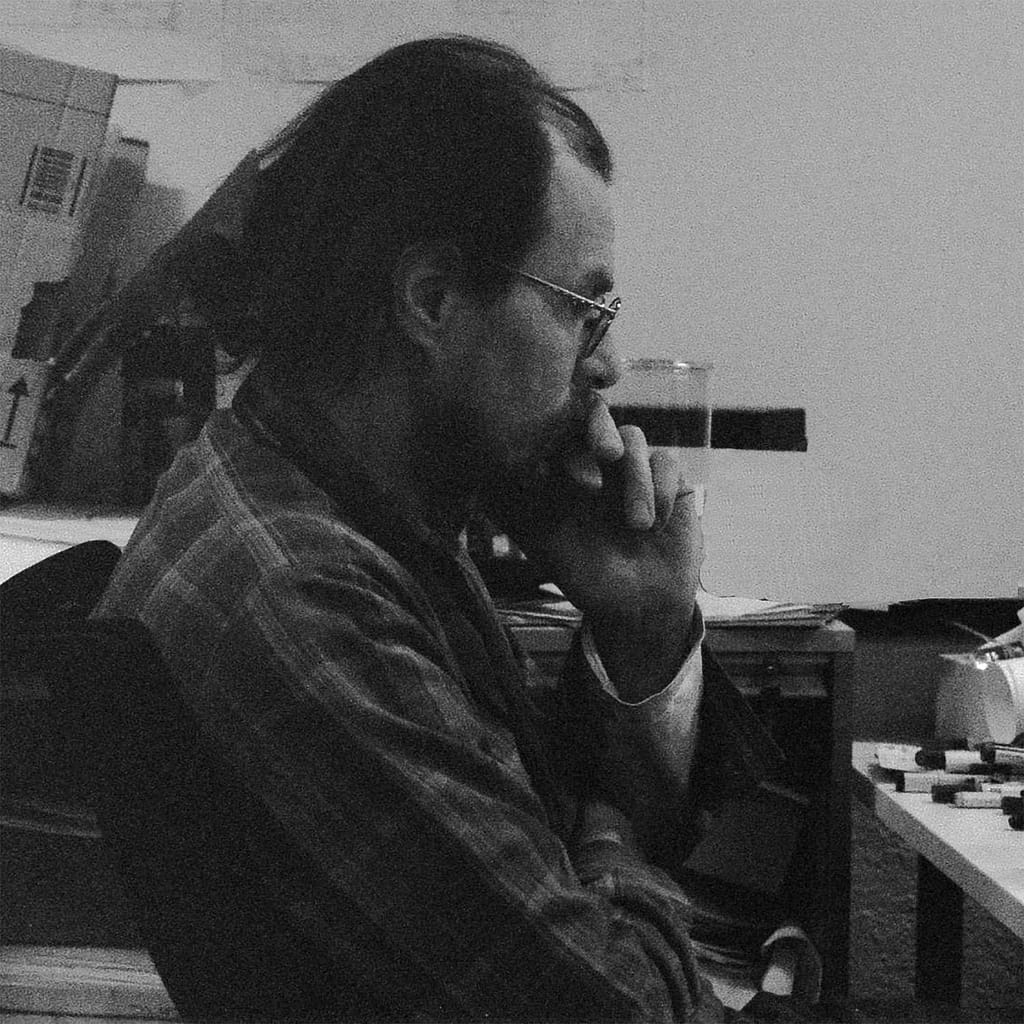
“Early in my career, we still designed in two dimensions using 2D CAD systems. In 2D design, much of the visualization takes place in the designer’s mind, while drawings turn those ideas into plans. It was therefore natural to build numerous prototypes from quick sketches, evaluate them, and refine them into increasingly detailed versions. Not every prototype became a product, but a significant number are still in production today.”
“Early-stage prototypes can move a project forward even when the overall solution is still open. Separate prototypes are created for the functions of different subsystems and combined into a complete solution later. We are currently working on a project in which the product’s appearance and overall size are still at the sketch stage, while functional prototypes already exist for the critical details. Prototypes can be used to test a simple mechanism, ergonomics, physical dimensions, and compatibility with the intended environment.”
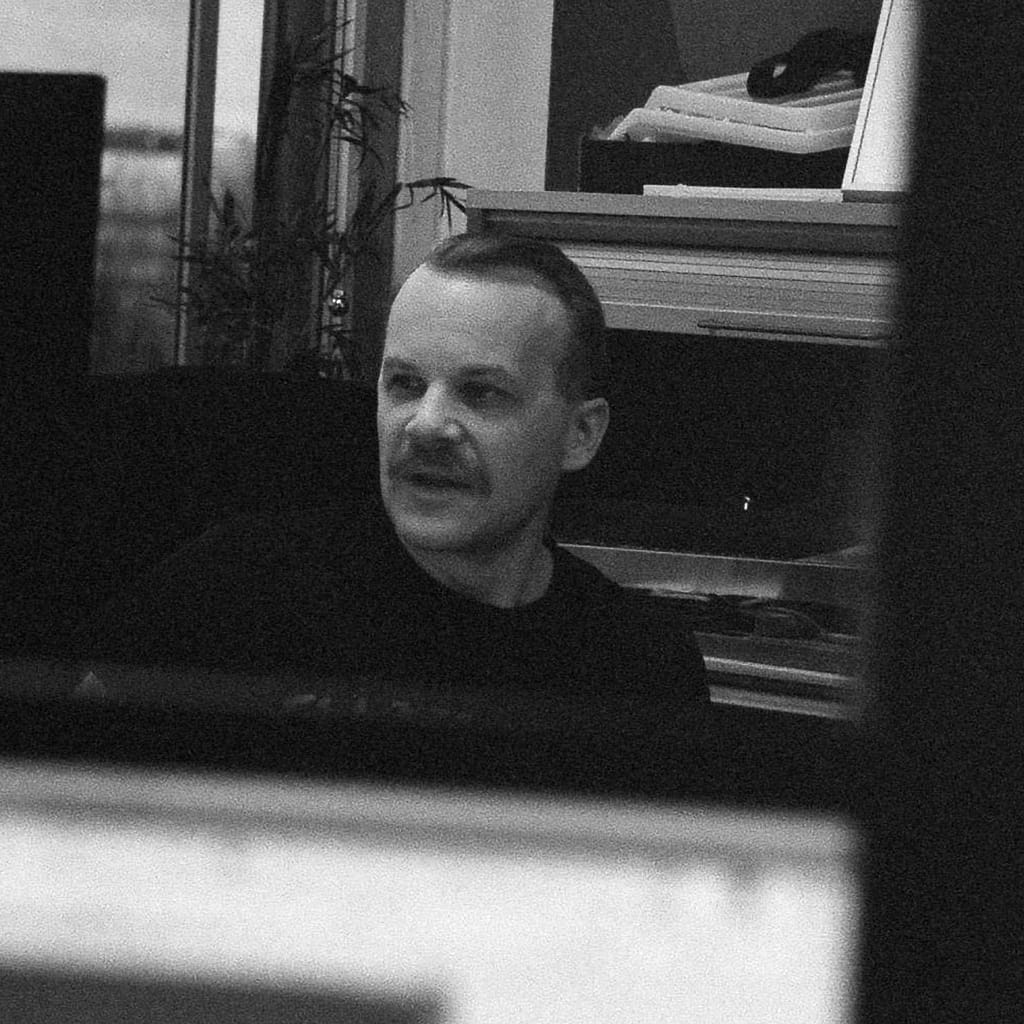

“A prototype can also make a future product tangible when its design is still at a rough stage. It allows the team to evaluate size, manufacturability, and other relevant characteristics. A prototype is not only an engineer’s tool; it gives every project stakeholder an opportunity to assess the solution.”
“When testing prototypes, we are often testing how theoretical models based on the laws of physics perform in practice: do they work as expected, and do they achieve the objectives we have set? Attention often turns to technical details whose practical resolution confirms both the validity of the theoretical model and the correct functioning of the solution.”
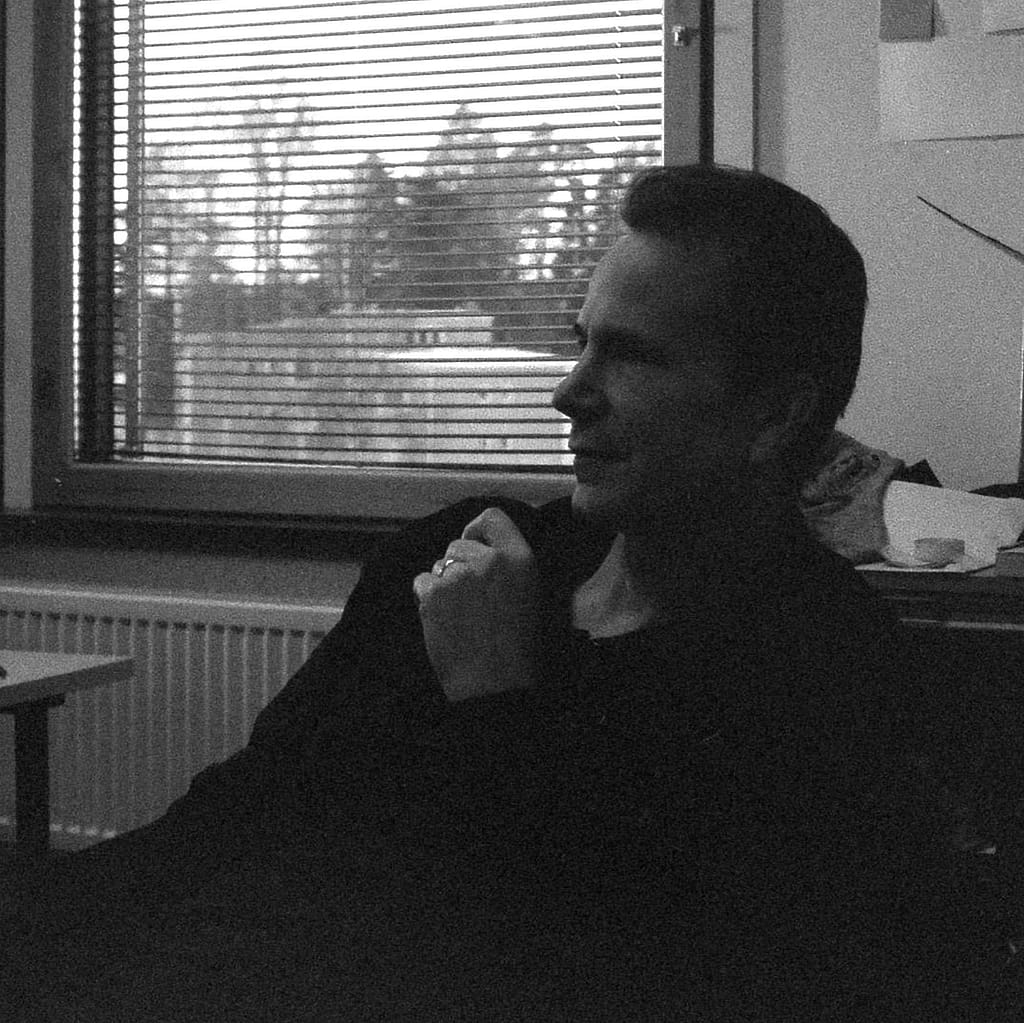
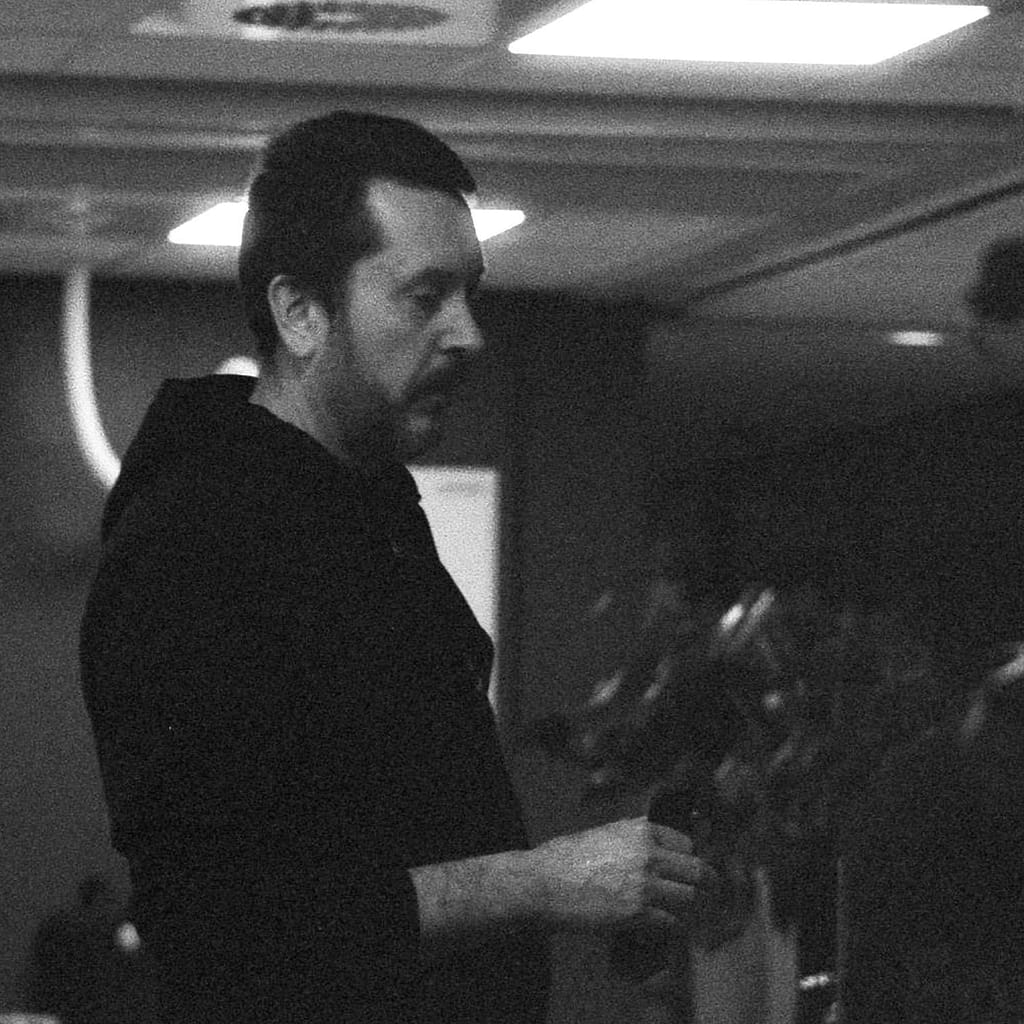
“When a prototype is built, ideas move beyond theory and design. Concrete reality takes a greater role, and the laws of physics come into play. A design may appear sound on paper, but once the first physical prototype has been assembled, the plans may need to be completely revised. At that point, the time invested in prototyping has already paid for itself.”
For us, prototypes are an essential everyday tool in agile development, helping us solve even the most difficult product challenges. What has your experience with prototypes been?
We have plenty of experience and insight to share on prototyping and agile development.
Give us a call and let’s discuss how we can support your needs.
Explore Our Workshop and ProtoHUB Service

Jari Lehikoinen
Director, Product Development
+358 50 303 8395


The black-and-white film photographs featured in this article were taken by LINK’s young and talented product development engineer, Filimon Paasilahti.