
VR Fleetcare identified the need to develop a new freight wagon and an associated service offering, driven by the changed geopolitical situation and an aging fleet. The goal was to meet future transport needs, improve the customer experience, and lay the foundation for new business models.
The Challenge
Changes in the operating environment and aging equipment created pressure to comprehensively modernize the freight wagon range. The need also extended to services that support the use of the wagons throughout their entire lifecycle.
The challenge was to form a clear situational overview of the current rolling stock and market, as well as to identify competitors’ solutions. At the same time, it was necessary to define what kind of product and service entity would meet both operational requirements and customer expectations in a changing operating environment.
A Three-Phase Project
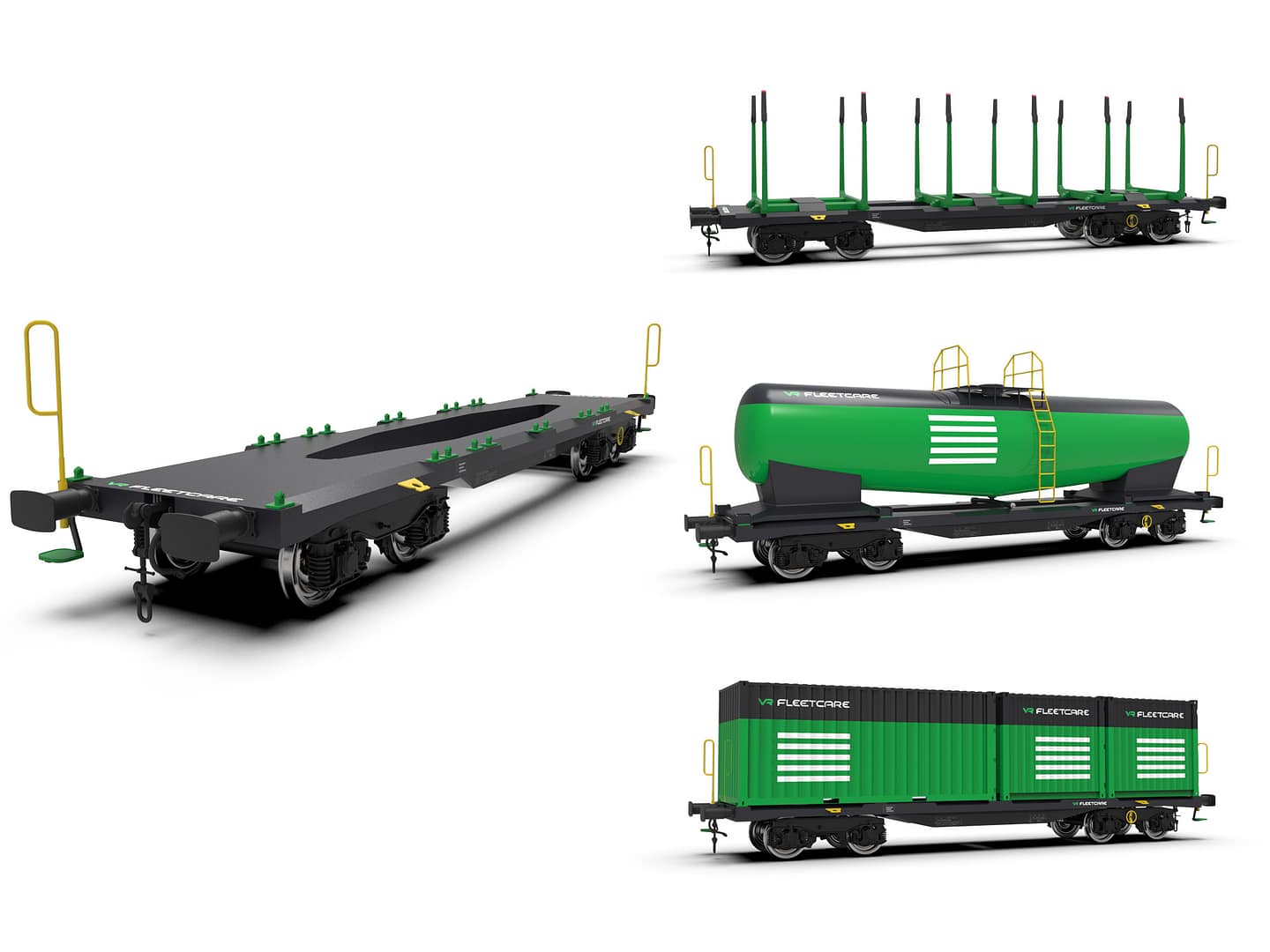
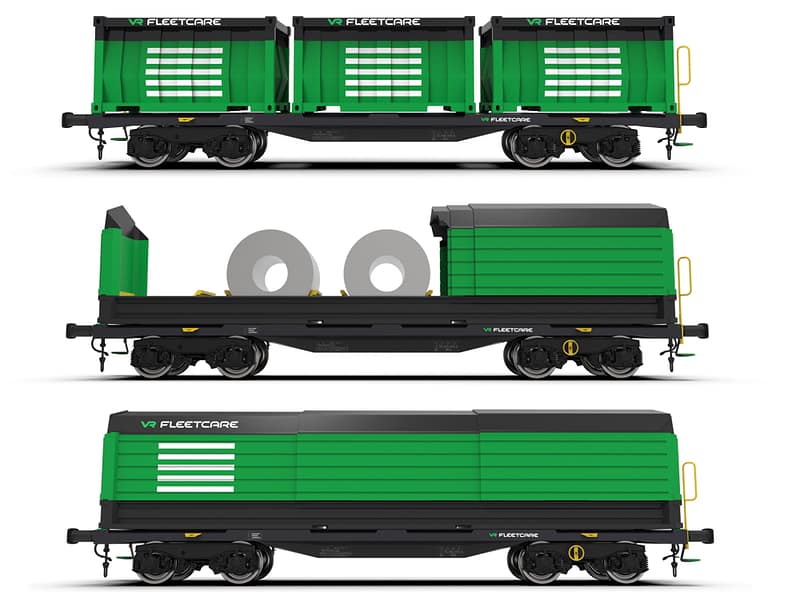
The work was carried out as a three-phase project. In the first phase, the current freight wagon range was analyzed, its strengths and areas for development were mapped, and competitors’ solutions were compared. Based on this, the initial data for the concept phase was established.
In the second phase, two alternative product concepts were developed, taking into account both technical requirements and future use cases. Concepting was done iteratively, and workshops were organized during the process where a multidisciplinary team brought together different perspectives and expertise.
The third phase focused on defining the service concept through service design. The goal was to develop a solution that supports the customer experience and enables the adoption of new business models.
The service concept examined, among other things, the customer’s entire user journey and the associated touchpoints.
The functionality of the concepts was validated with both internal and external stakeholders. At the end of the project, detailed product descriptions and technical specifications were prepared to serve as a basis for further development.
LINK's Role
LINK’s team was responsible for the overall concept development in the project, combining perspectives from strategic design, industrial design, and service design. Central to the work was forming a holistic vision where the product and service support each other.
Facilitated workshops ensured the involvement of different stakeholders and that their perspectives were taken into account in the design. In addition, concepts, visualizations, and specifications were produced to support decision-making and further development.
The Solution
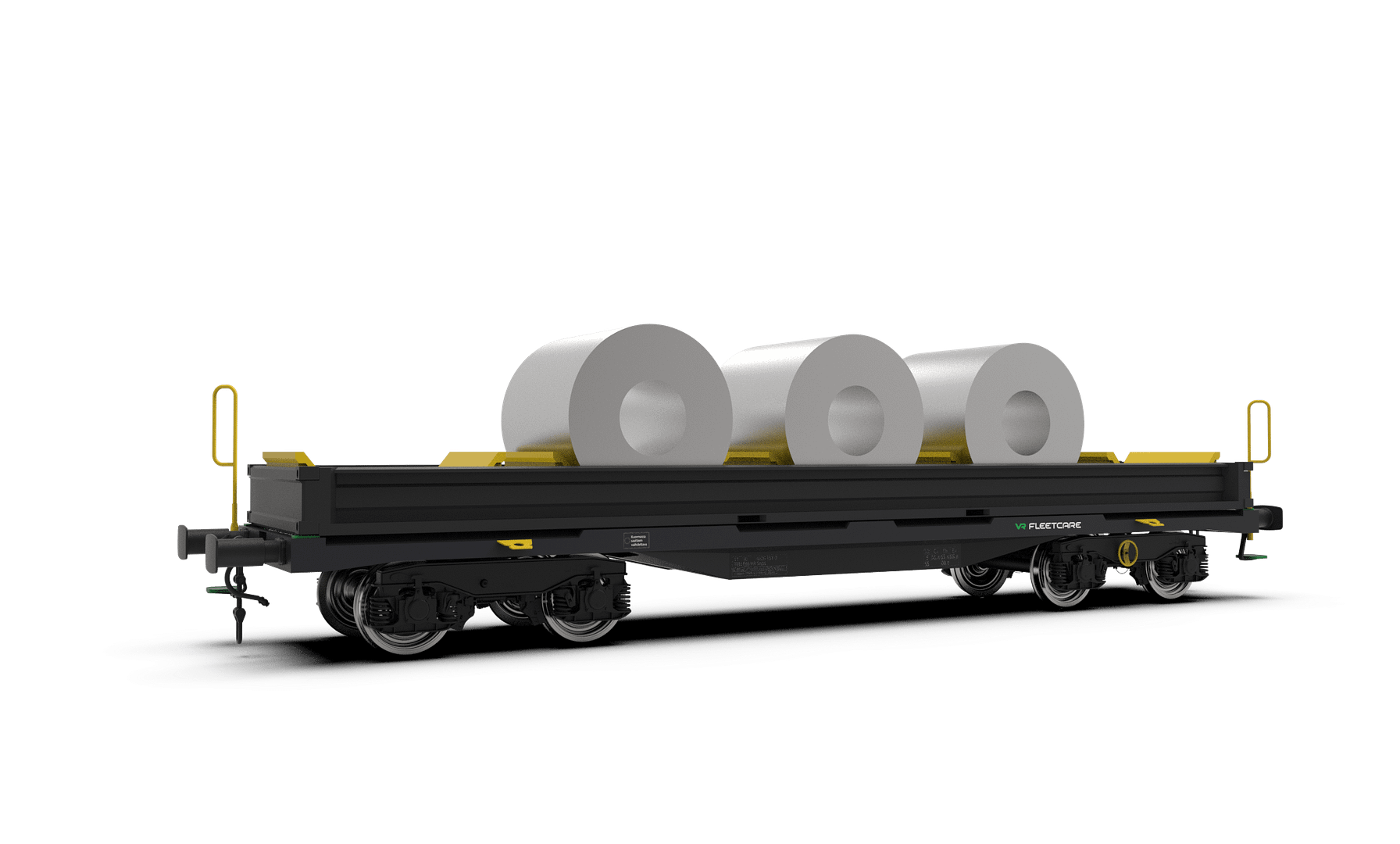
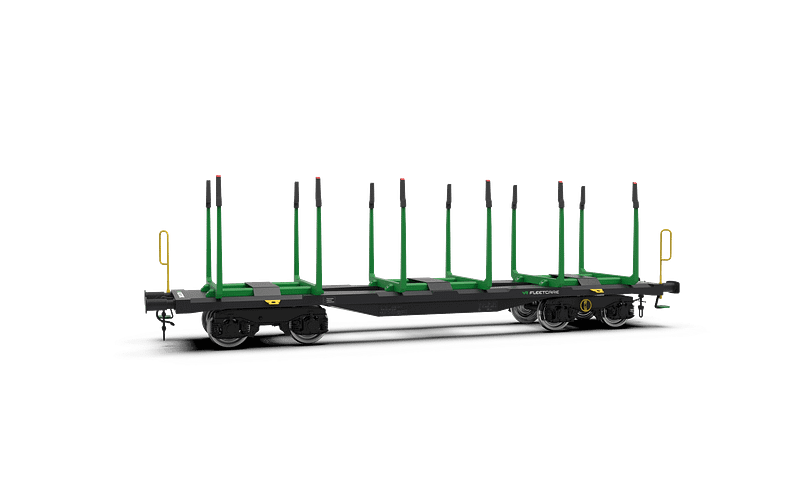
The project resulted in two alternative freight wagon concepts and a complementary service concept, which together provide a clear direction for future development.
The entity supports more customer-oriented operations, improves the user experience, and creates the conditions for new business models. Clear concepts and specifications enable a smooth transition to further development and support decision-making in fleet renewal.